Some days feel organized.
Other days feel like everything is happening at once.
That’s usually when planners and trackers come in — not to make life perfect, but to make it feel a little more manageable. Something you can write on, cross out, adjust, and come back to without guilt.
Printable planners and trackers are popular because they don’t expect consistency or discipline. They meet you where you are. You print what you need, use it when it helps, and let it go when it doesn’t.
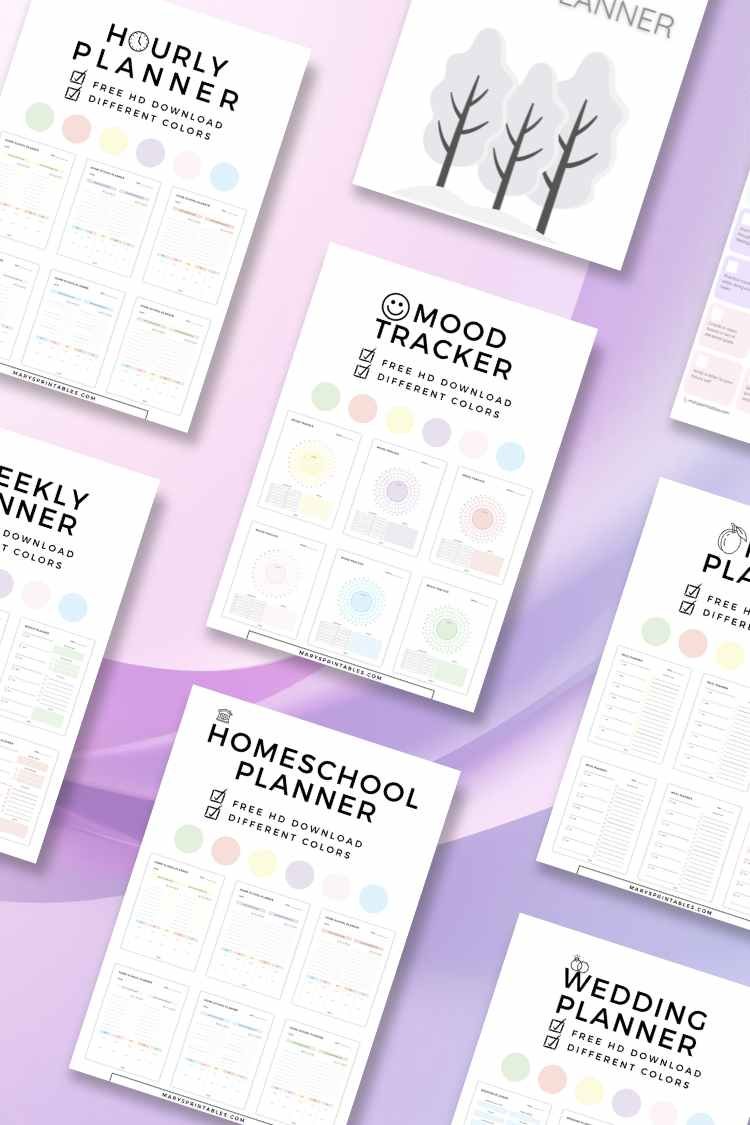
This page brings together different kinds of printable planners and trackers designed for everyday life — the busy days, the emotional days, the seasonal chaos, and everything in between.
Planning doesn’t look the same for everyone
There’s a lot of pressure around planning — the idea that if you just find the right system, everything will fall into place. In reality, planning looks different depending on your schedule, energy, responsibilities, and even the season you’re in.
Some people need structure to stay focused.
Others need flexibility so they don’t feel boxed in.
Many people need both — just not at the same time.
Printable planners and trackers work well because they let you adjust without starting over. You’re not locked into one system. You can switch layouts, try something new, or simplify whenever you need to.
Why planning on paper still works
With so many digital tools available, it’s fair to wonder why paper planning is still so popular. The answer is simple: paper stays visible, and it feels easier to interact with.
People often prefer printable planners because they:
- Don’t require apps or logins
- Don’t send notifications
- Feel calmer and less overwhelming
- Are easy to personalize
- Can be shared in a household or classroom
Writing things down also slows your thinking just enough to make planning feel intentional instead of rushed.
Everyday planning for busy days
Most planners get used for everyday life — meals, schedules, routines, and tasks that repeat week after week. These planners are practical, flexible, and easy to adapt.
Weekly planning: seeing the whole picture
Weekly planners are a favorite because they balance detail and overview. You can see your entire week at once without feeling overwhelmed by daily breakdowns.
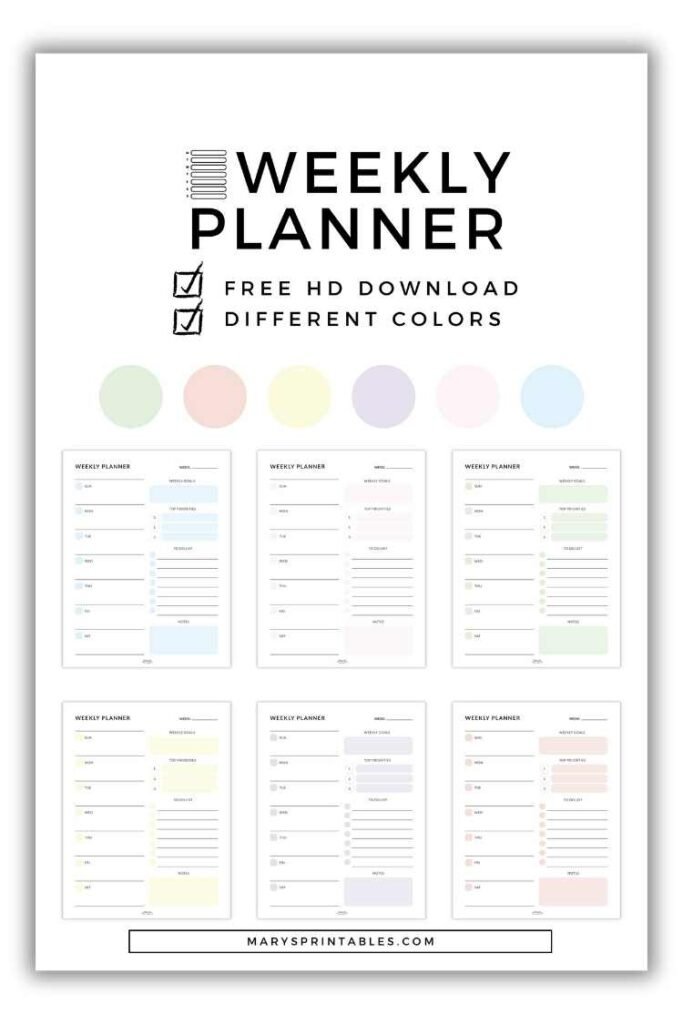
A printable weekly planner works well for:
- Work schedules
- School routines
- Family planning
- Weekly goals
It’s especially helpful when days blur together and you just need a clear view of what’s coming up.
Hourly planning: when timing matters
Some days need more structure than others. Hourly planners help when timing is important — appointments, meetings, classes, or packed schedules.

A printable hourly planner is useful when:
- Your day is full
- You need to block time
- You want to see where your hours actually go
You don’t have to use it every day. Many people pull out an hourly layout only when life feels extra busy.
Meal planning: one less daily decision
Meal planning isn’t about cooking fancy meals — it’s about reducing mental load. Knowing what’s for dinner ahead of time can make the entire day feel easier.
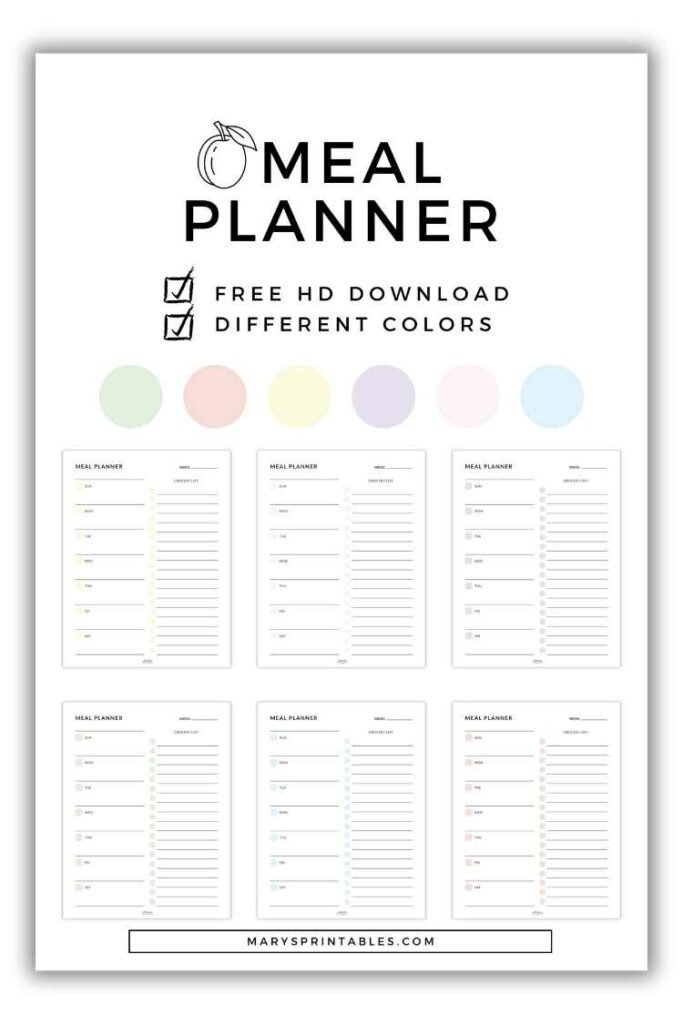
A printable meal planner helps with:
- Weekly food planning
- Grocery shopping
- Budget awareness
- Reducing last-minute stress
Even a simple plan can save time and energy throughout the week.
Homeschool planning: flexible by design
Homeschool schedules rarely look the same from week to week. That’s why printable homeschool planners work so well — they allow flexibility without losing structure.
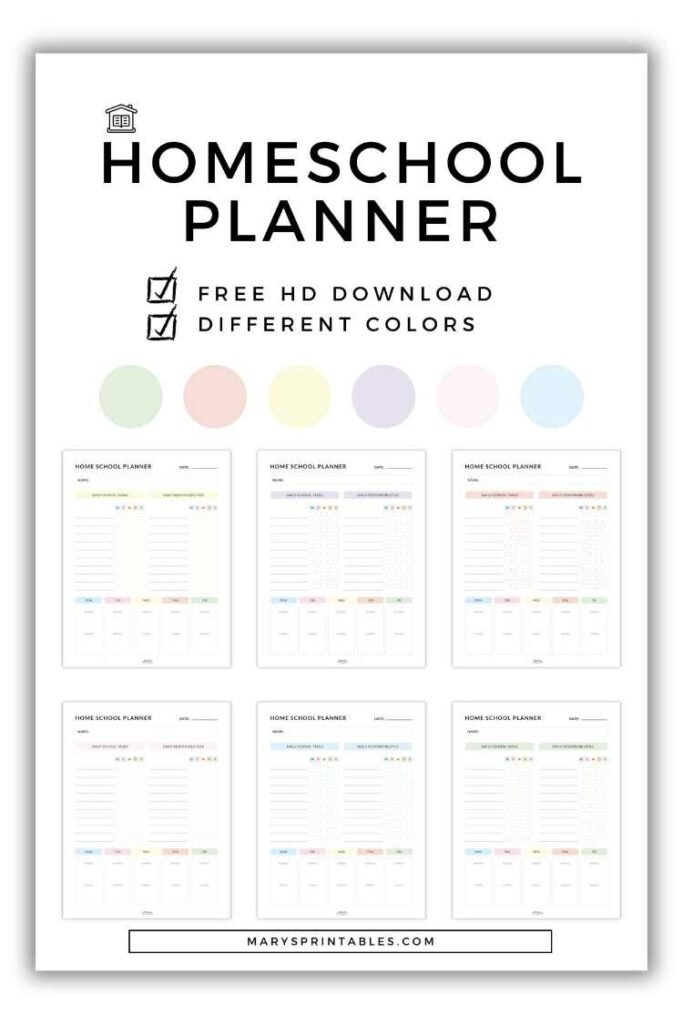
They’re often used to:
- Organize lessons
- Track subjects
- Plan weekly routines
- Adjust pacing as needed
Homeschool planning works best when it adapts to the learner, not the other way around.
ADHD planning: structure without pressure
Traditional planners don’t always work for everyone. For people with ADHD, planning tools need to support focus without becoming overwhelming.
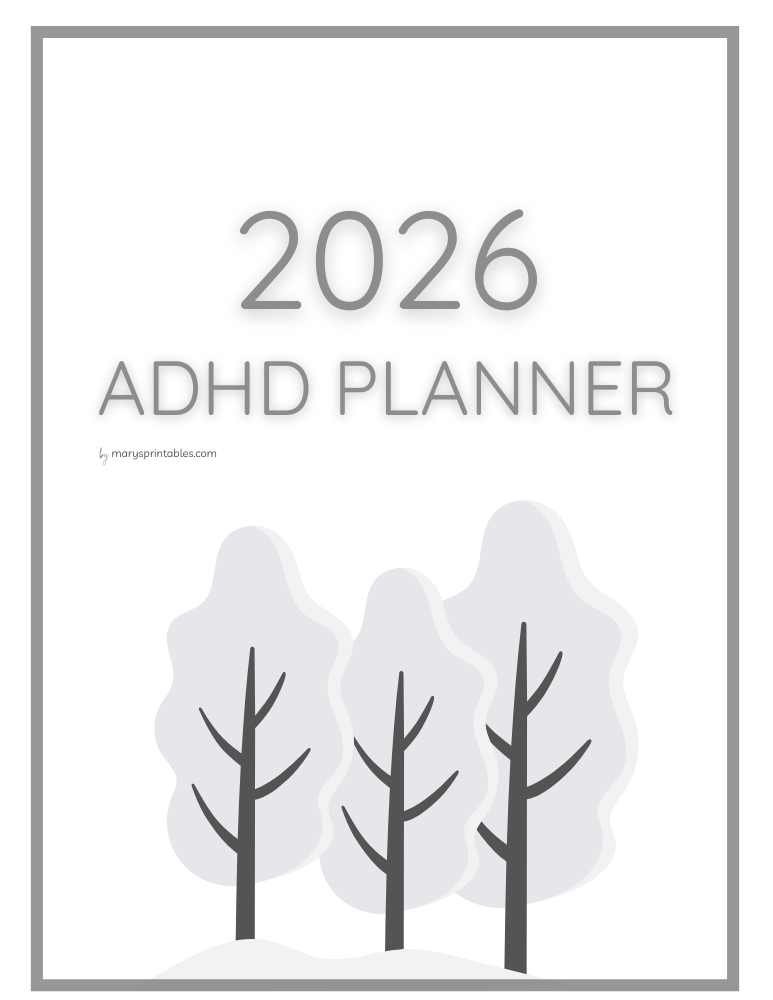
A printable ADHD planner can help by:
- Breaking tasks into manageable pieces
- Creating visual structure
- Supporting routines
- Reducing mental clutter
The key is flexibility — using what helps and ignoring what doesn’t.
Planning isn’t only about time
Not all planning is about schedules and tasks. Sometimes, it’s about emotions, patterns, and awareness.
Mood tracking: noticing patterns without judgment
Mood trackers aren’t about fixing emotions — they’re about noticing them. Over time, tracking moods can help people recognize patterns, triggers, and changes.
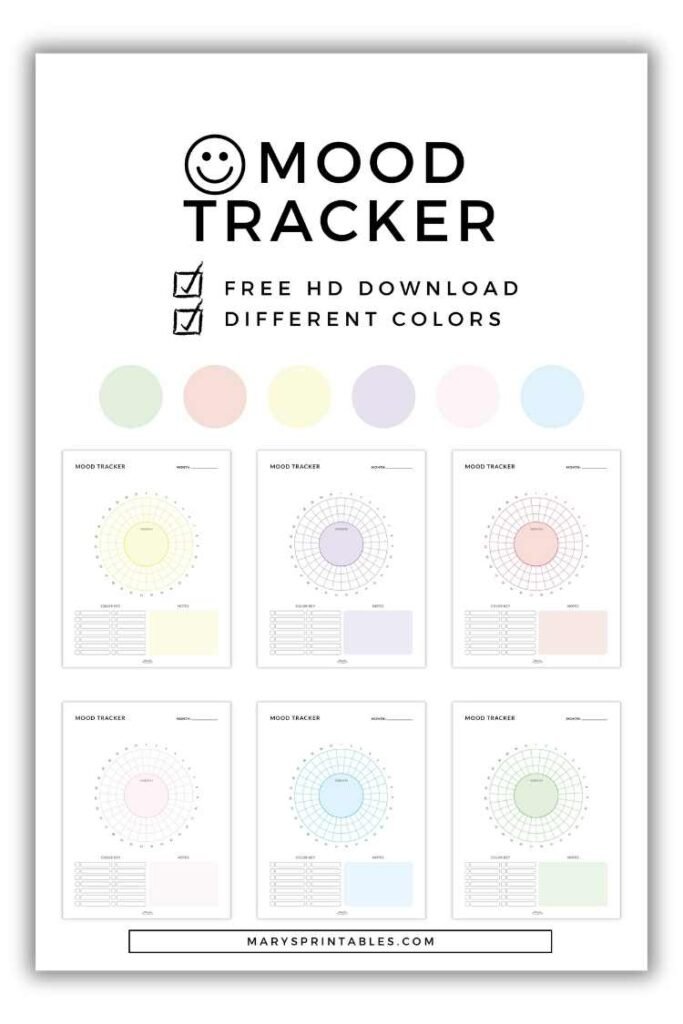
A printable mood tracker is often used for:
- Emotional awareness
- Mental health support
- Therapy or counseling
- Personal reflection
You don’t have to track every day. Even occasional entries can offer insight.
Big moments need room to breathe
Some planners aren’t for everyday life — they’re for big moments that need extra space and attention.
Wedding planning: many details, one place
Wedding planning comes with a lot of moving parts. Having everything written down in one place can make the process feel more manageable.
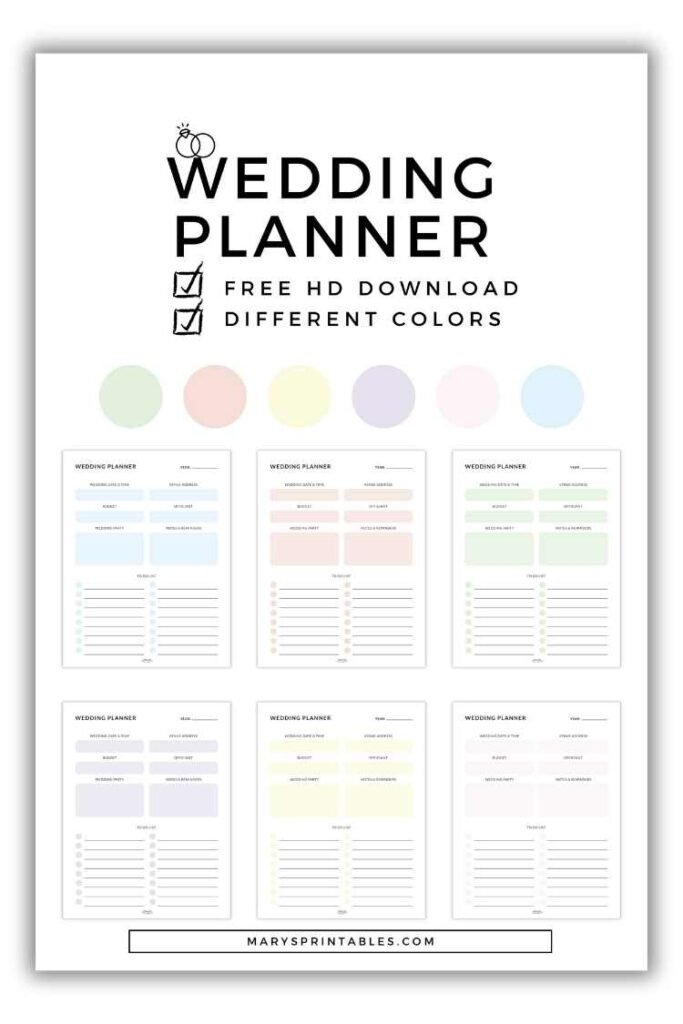
A printable wedding planner is helpful for:
- Timelines
- Guest lists
- Budgets
- Tasks and notes
It doesn’t rush the process — it gives it structure without pressure.
Seasonal planning has its own rules
Some seasons bring more planning than others. Christmas is a perfect example.
Holiday planning often includes:
- Budgeting
- Shopping
- Meals
- Decorations
- Hosting
- Reflection
Trying to hold all of that in your head gets exhausting fast.
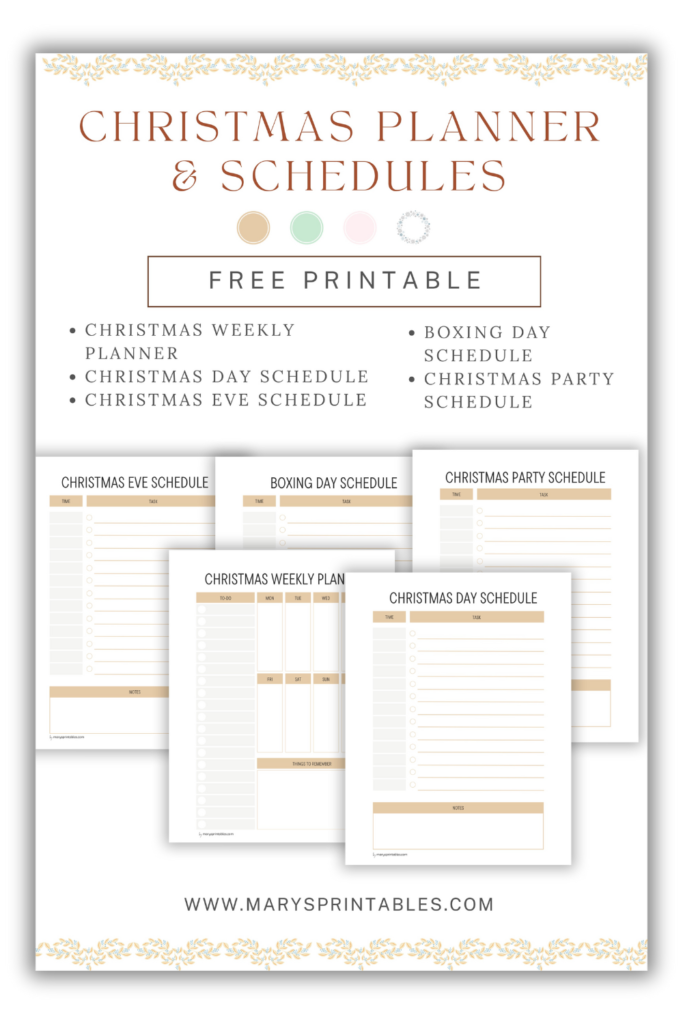
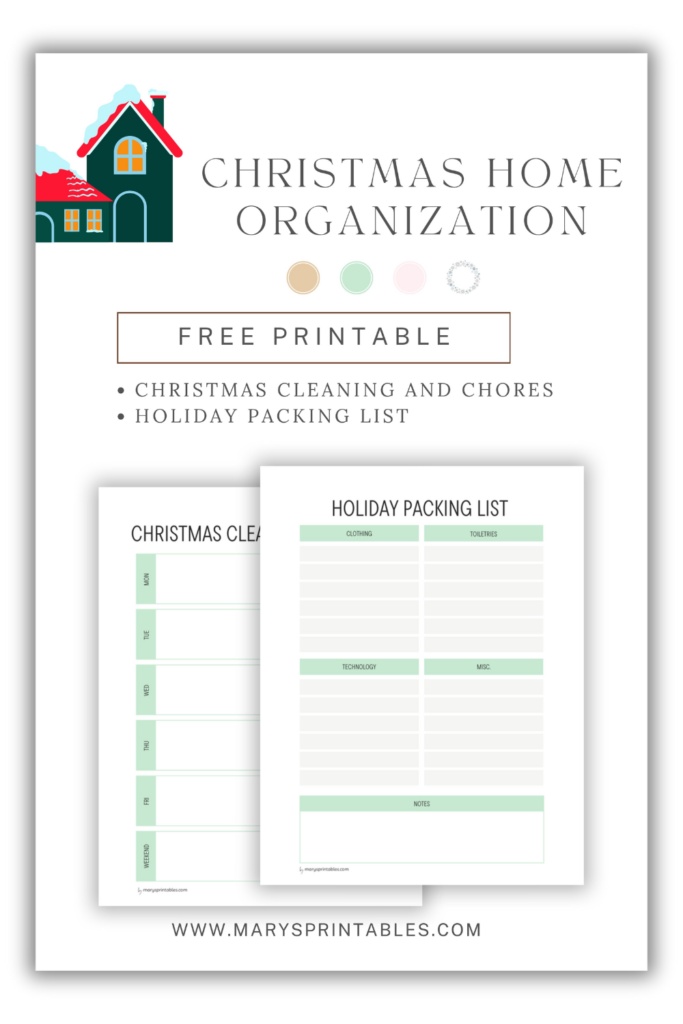
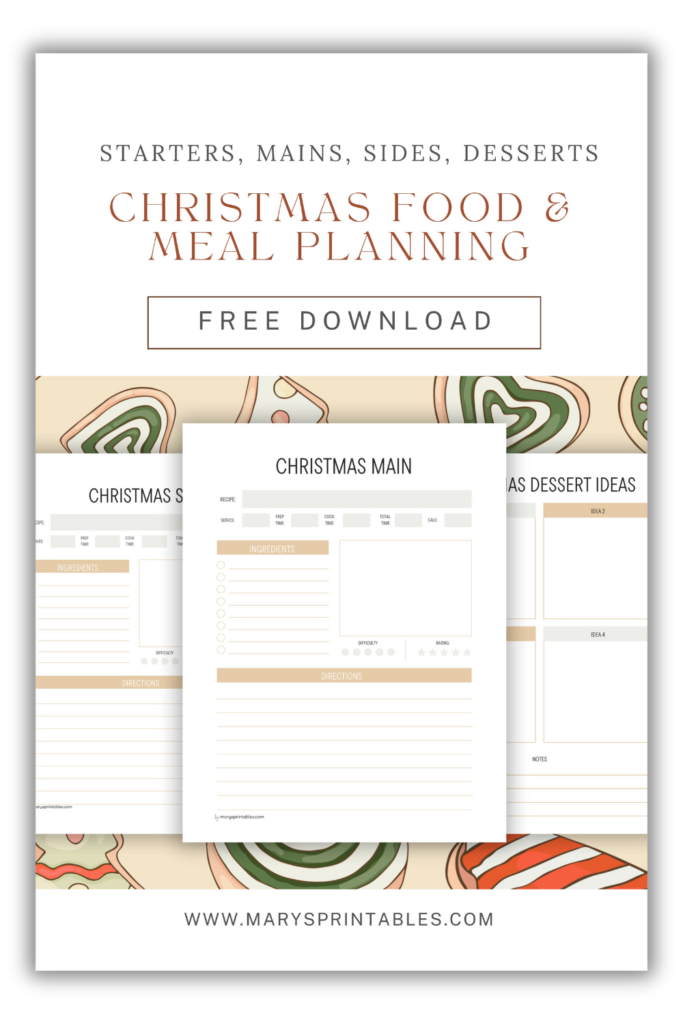
Christmas planners: breaking the season into pieces
Printable Christmas planners work because they separate everything into manageable parts.
People often use Christmas planners to:
- Track gift ideas and purchases
- Plan holiday meals
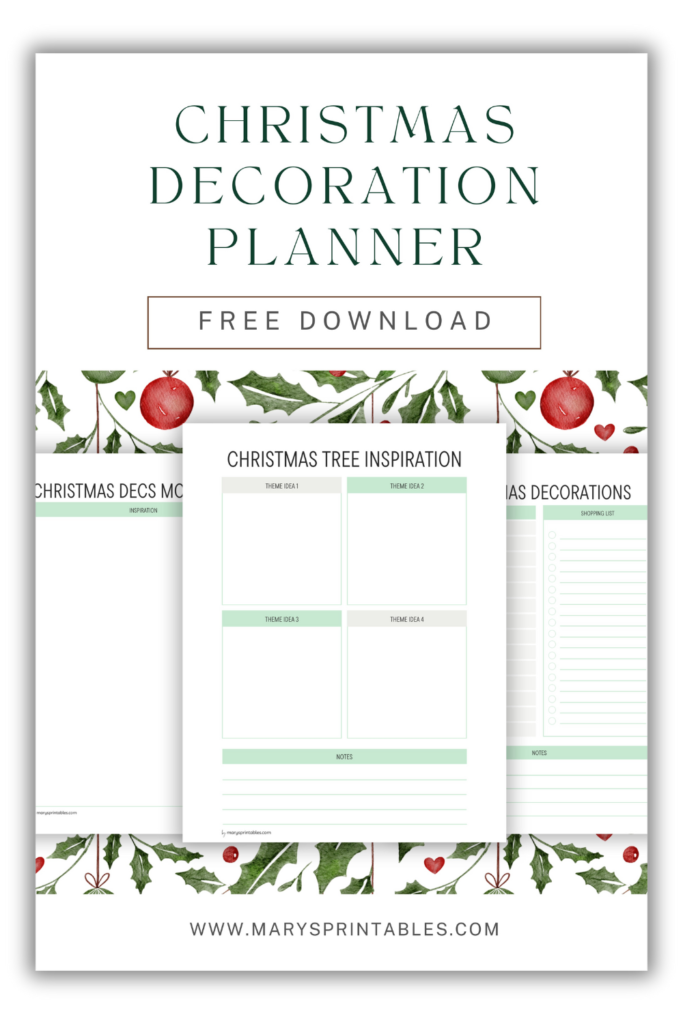
- Organize decorations
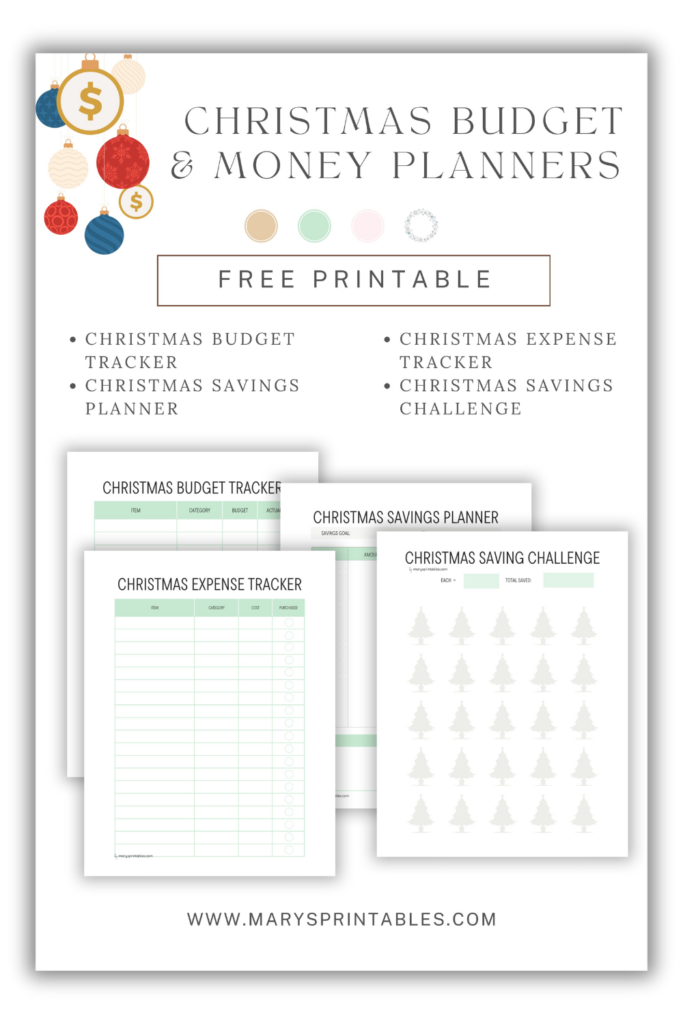
- Manage budgets
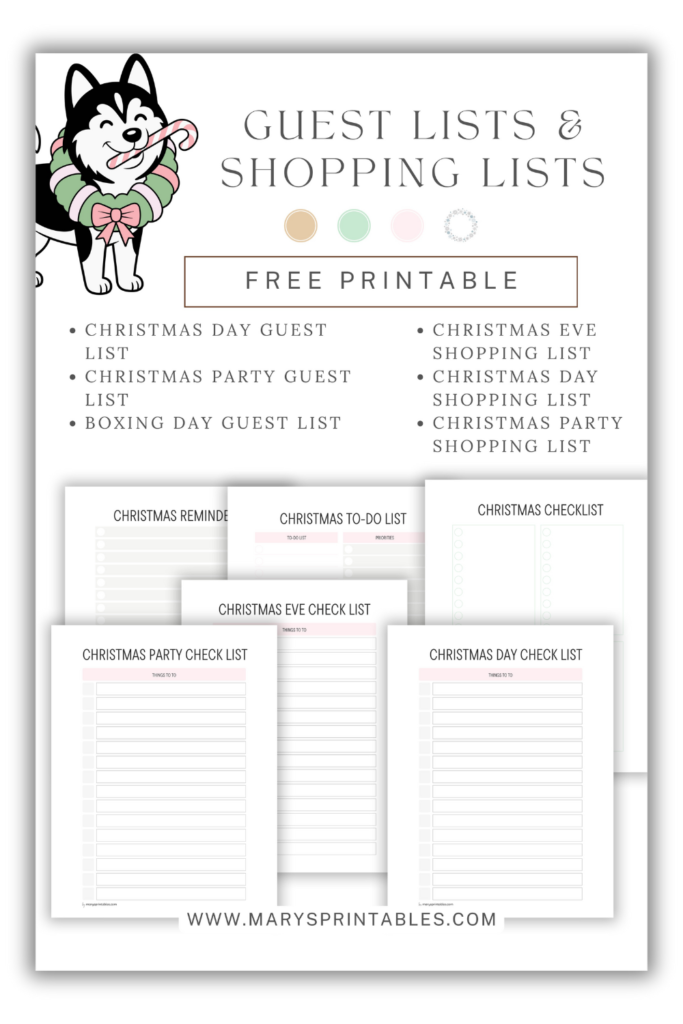
- Create guest lists and shopping lists
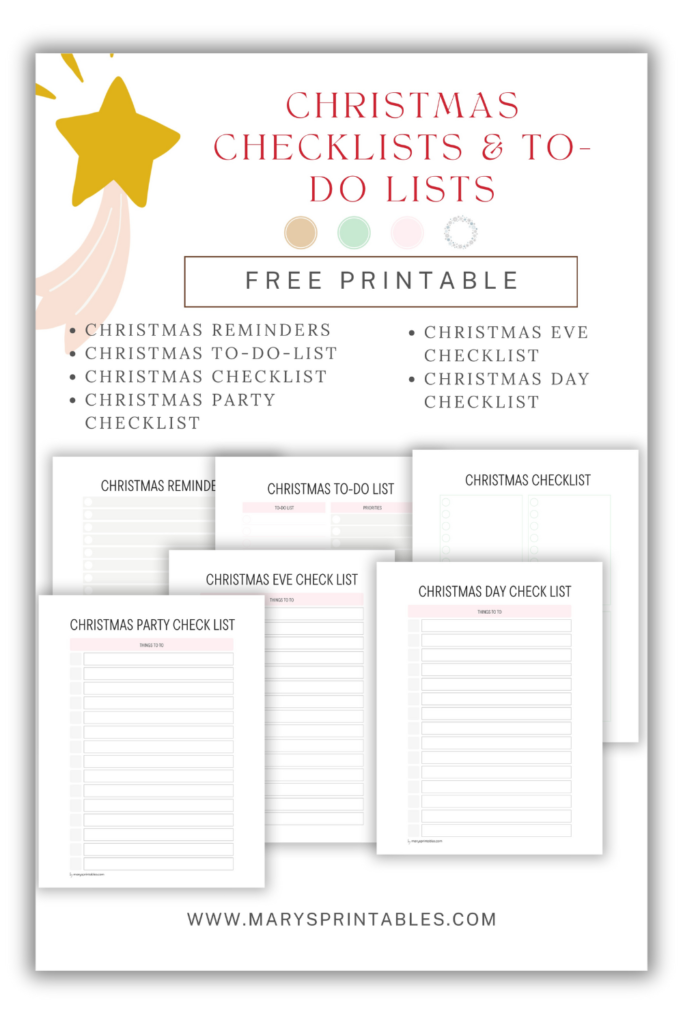
- Keep checklists
- Reflect on the season
Instead of one overwhelming to-do list, everything gets its own space.


Notes and reflection during busy seasons
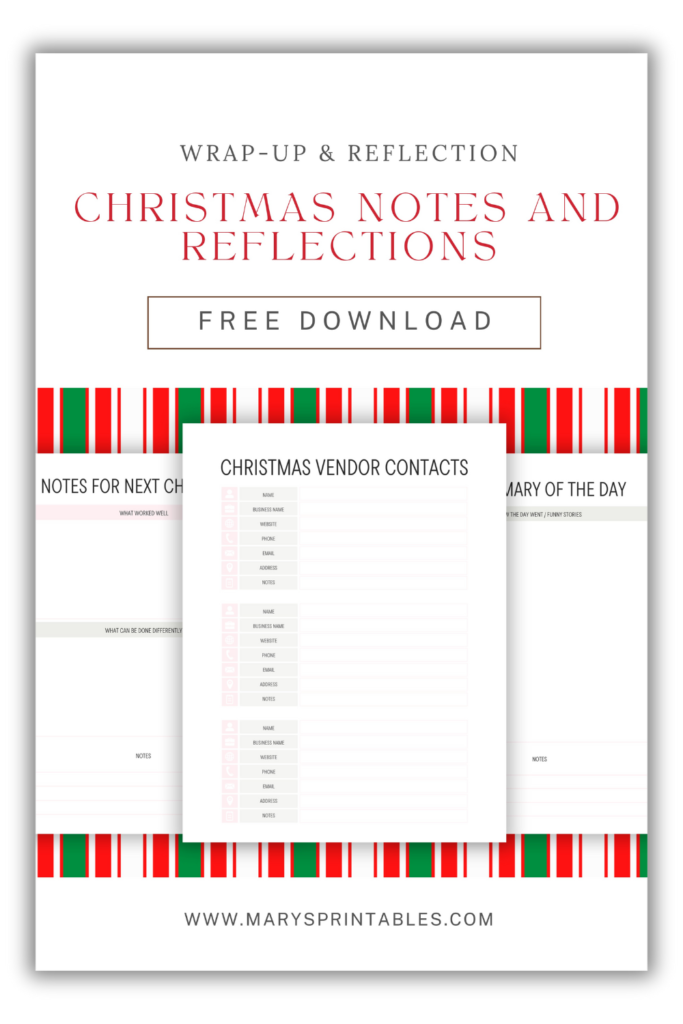
Not all holiday planning is about tasks. Sometimes, it’s about slowing down and reflecting.
Printable Christmas notes and reflection pages give space for:
- Journaling
- Gratitude
- Intentional moments
- Capturing memories
They help balance busy schedules with meaning.
You don’t have to use everything
One of the biggest advantages of printable planners and trackers is choice. You don’t have to commit to a full system.
You might:
- Use a weekly planner for a month
- Switch to hourly layouts during busy weeks
- Only use a mood tracker occasionally
- Pull out holiday planners once a year
Planning works best when it fits your life — not when it demands perfection.
Changing your system is allowed
Life changes. Schedules change. Energy changes.
Printable planners make it easy to:
- Start over
- Try something new
- Adjust routines
- Let go of what isn’t working
There’s no “failure” in switching layouts or skipping days. Planning tools exist to support you — not judge you.
Where printable planners fit best
Printable planners and trackers show up in many places:
- Homes
- Classrooms
- Offices
- Binders
- Clipboards
- Kitchen counters
They work because they’re visible, flexible, and easy to return to.
Conclusion: planning as support, not pressure
Printable planners and trackers aren’t about controlling your life. They’re about giving your days somewhere to land.
Some weeks will be organized. Others won’t. Both are normal.
The right planner doesn’t demand consistency — it offers support when you need it. Whether you’re planning meals, tracking moods, organizing a big event, or navigating a busy season, having something on paper can make things feel calmer and more doable.
Choose the planners and trackers that fit your life right now. Print what helps. Ignore what doesn’t. And remember — planning works best when it’s kind.
Home >